Bize Ulaşın
E-posta adresiniz yayımlanmayacaktır. Gerekli alanlar işaretlenmiştir *

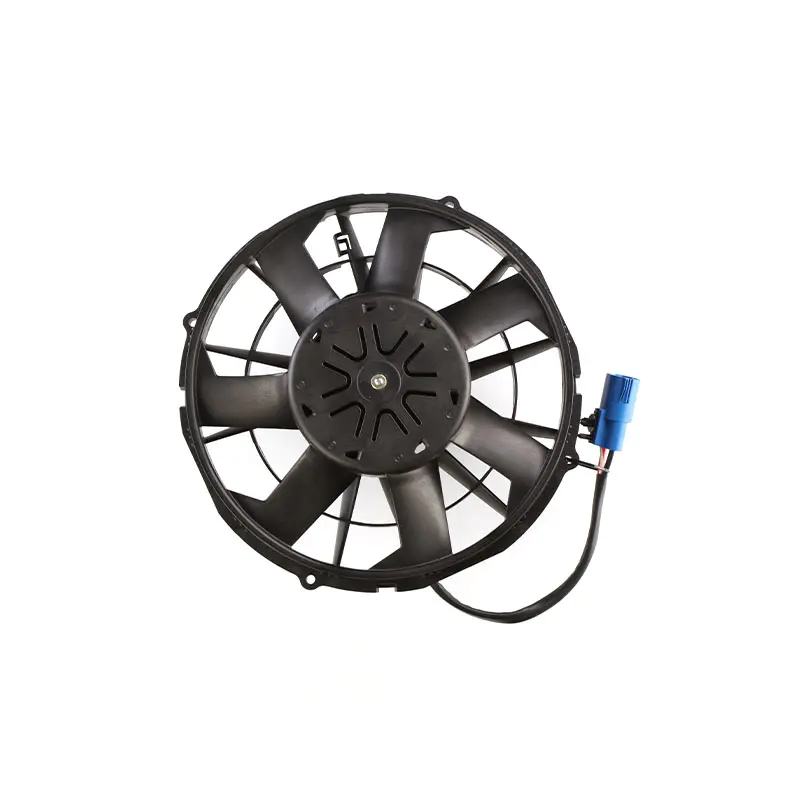
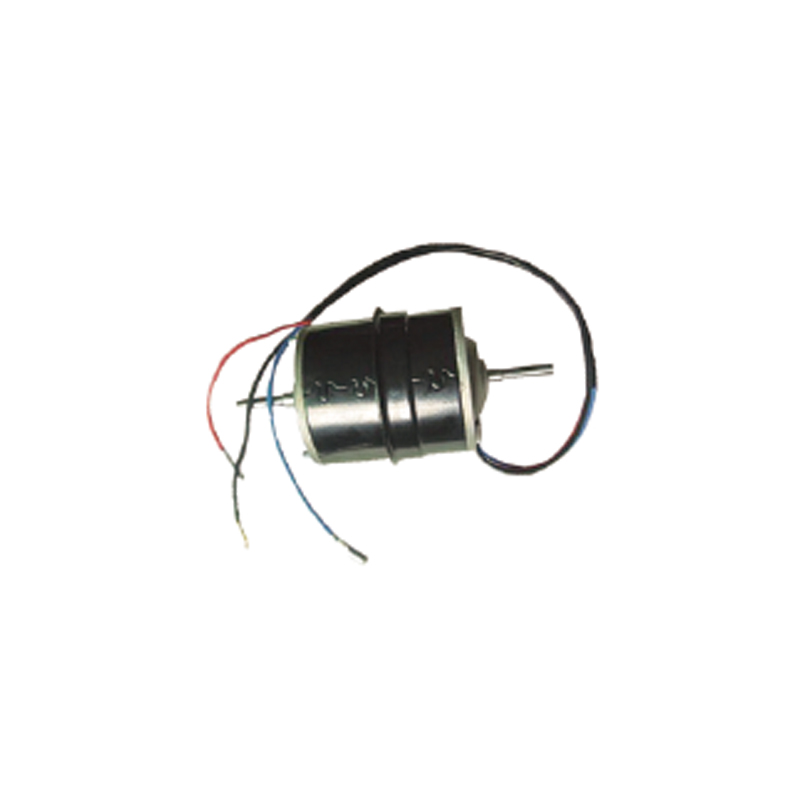
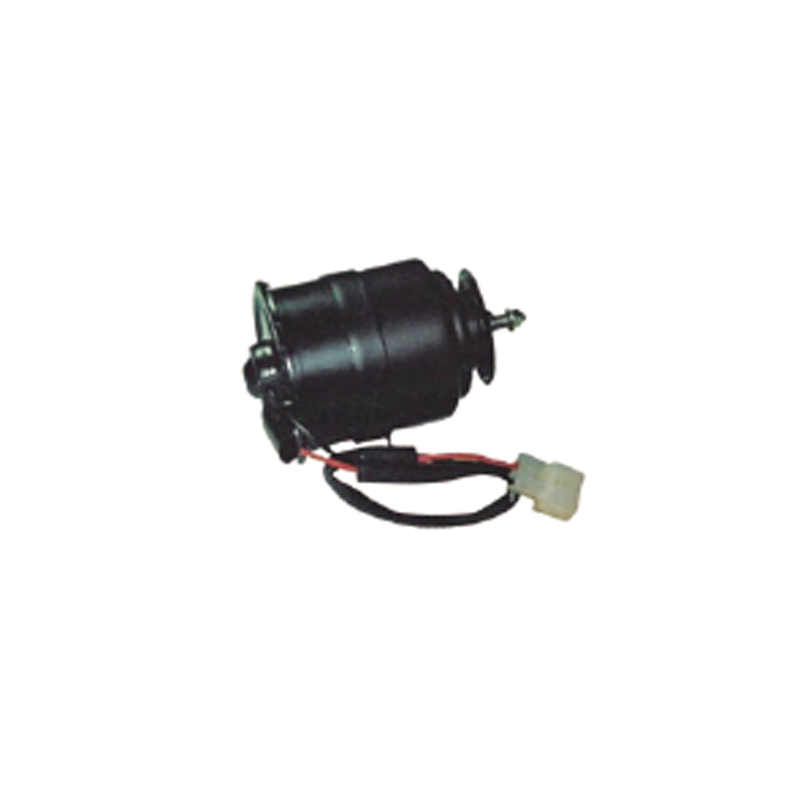
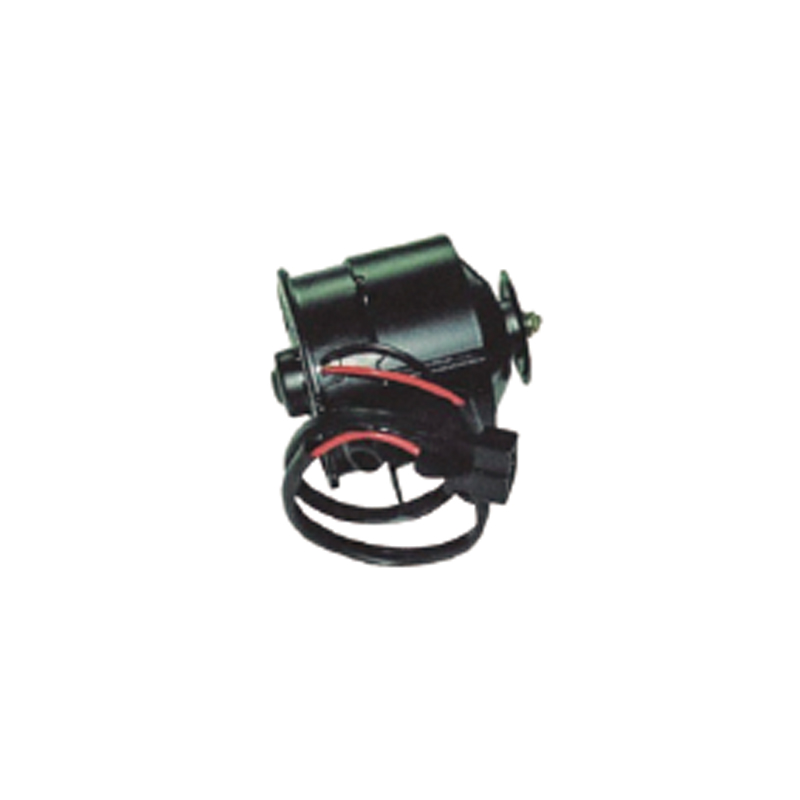
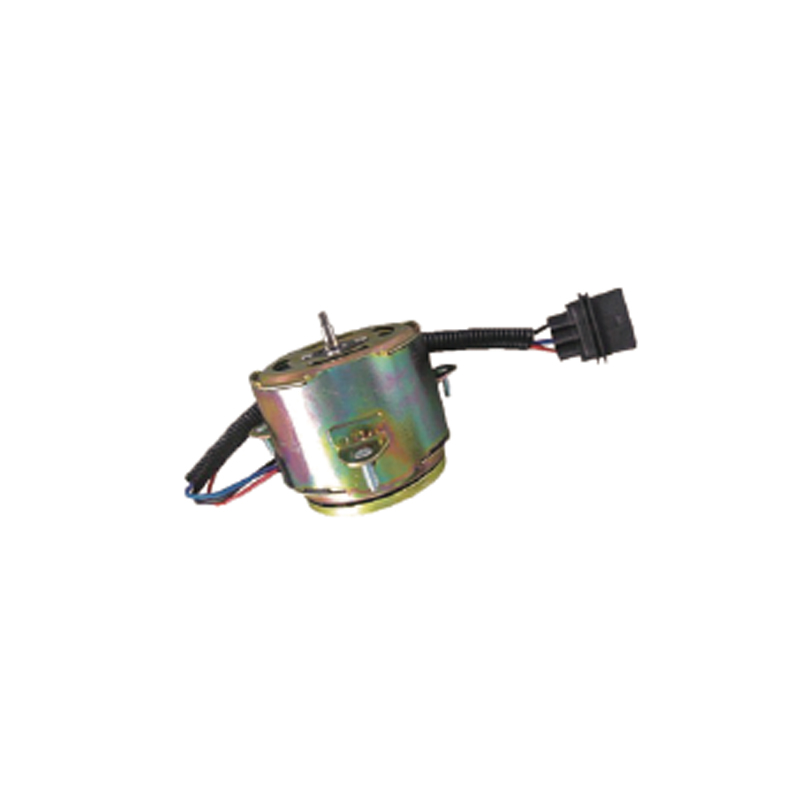
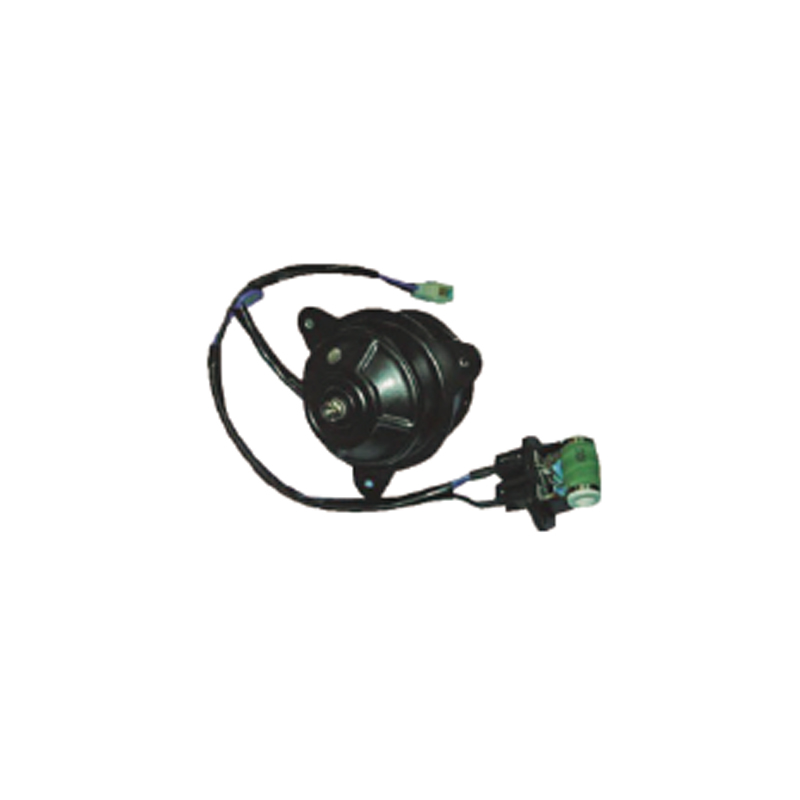
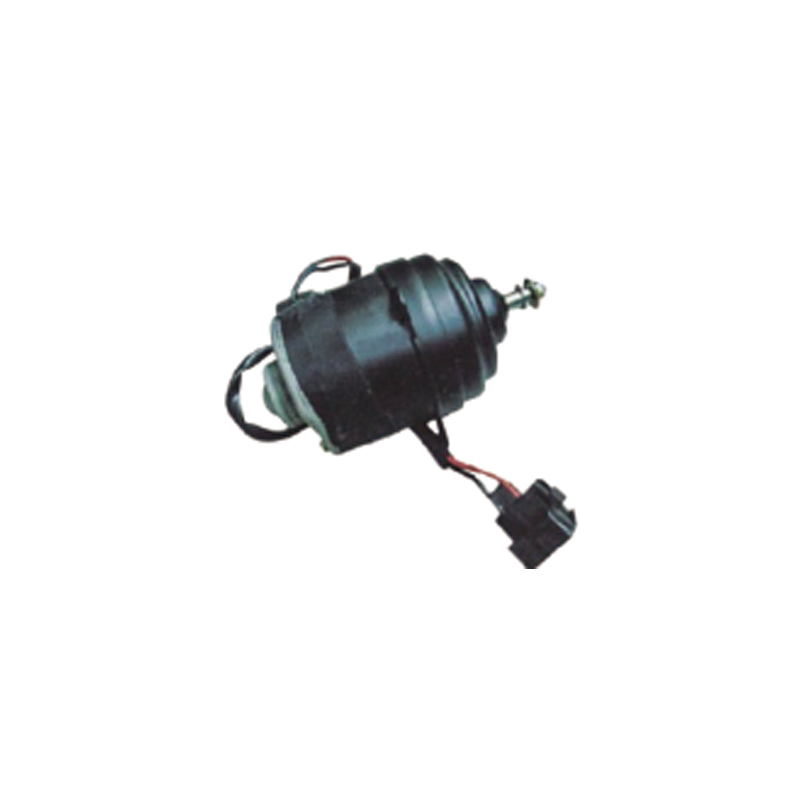
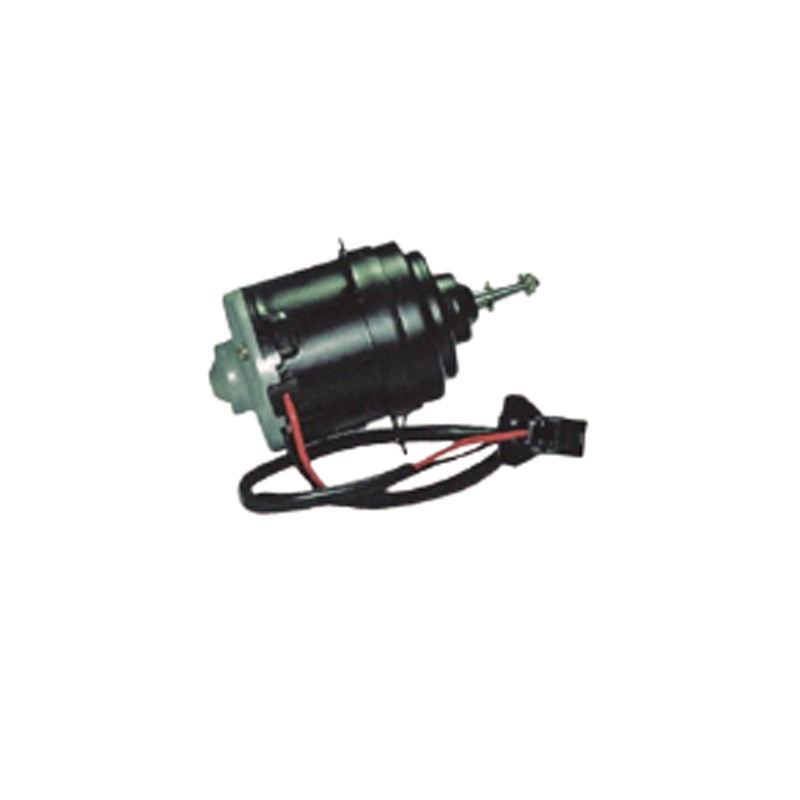
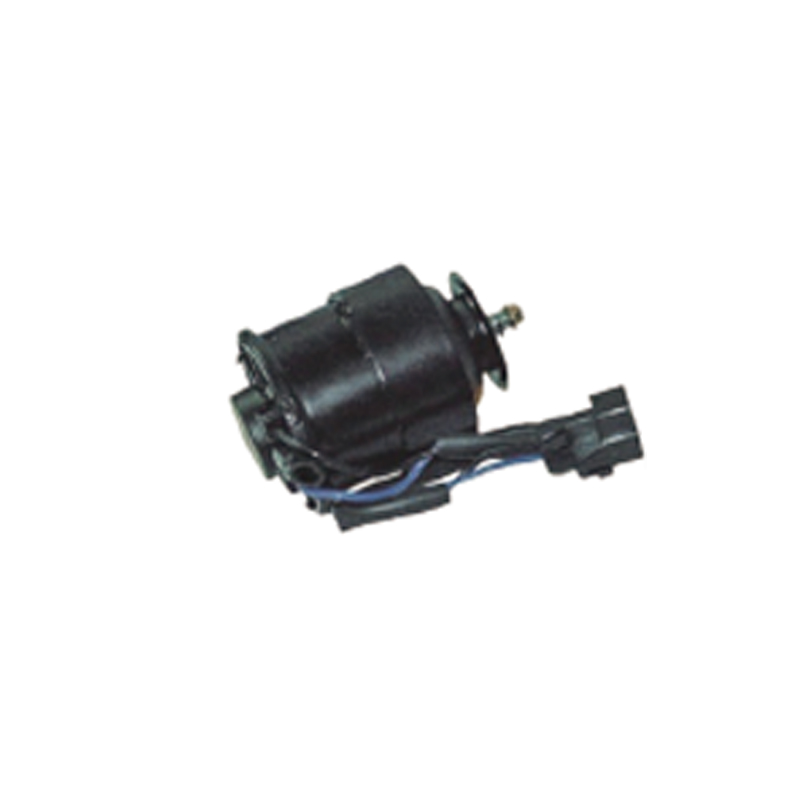
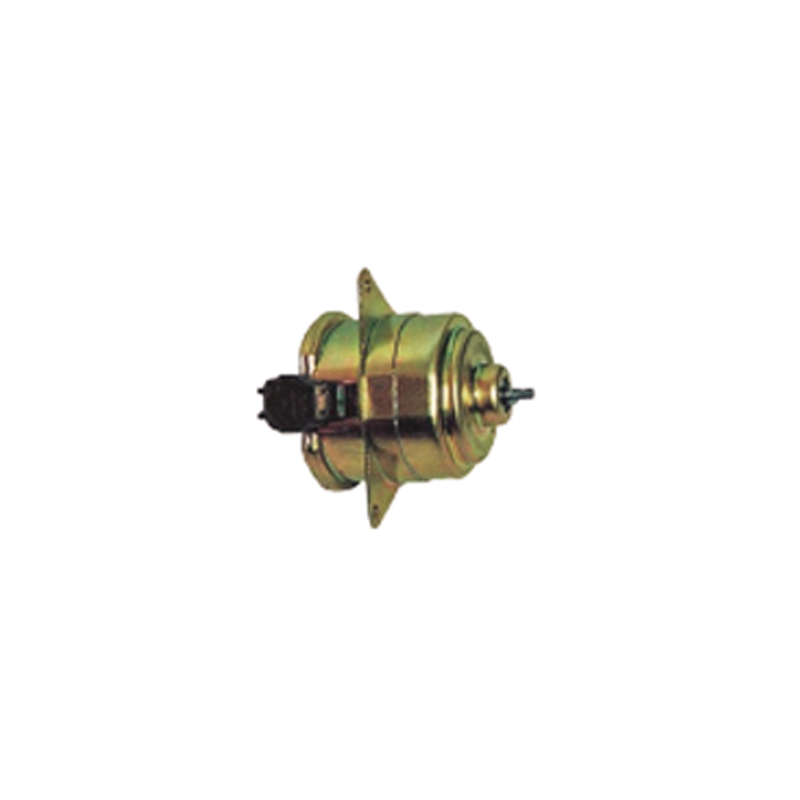
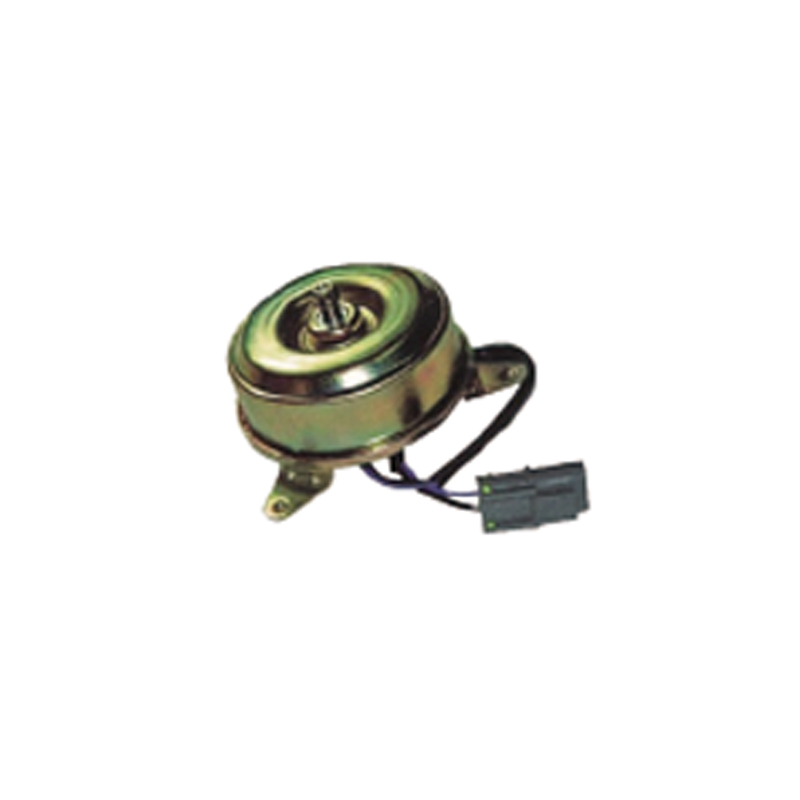
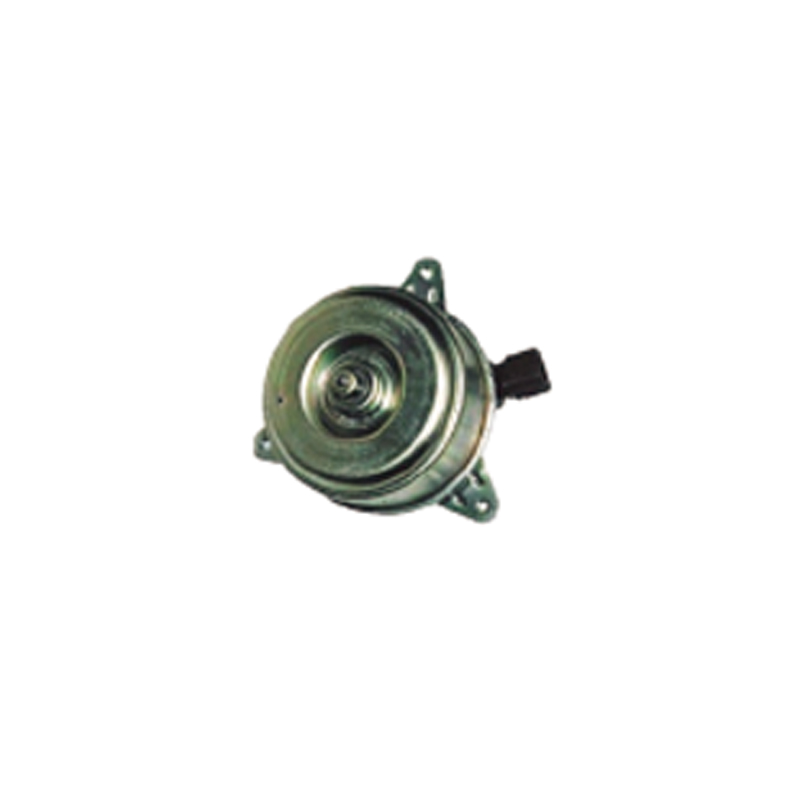
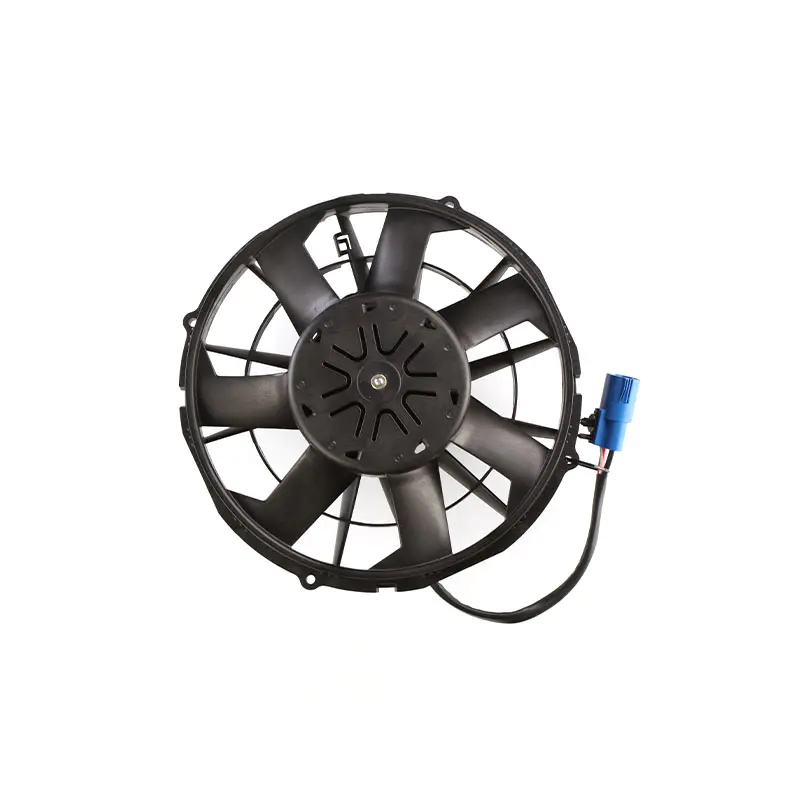
Elektrifikasyona ve daha yüksek güç yoğunluğuna geçiş, termal yönetimi yeniden tanımladı. İçten yanmalı motorlar, elektrik motorları, akü paketleri ve güç elektroniklerinin tümü, güvenilir bir şekilde dağıtılması gereken ısı üretir. DC otomotiv eksenel fanları bu ortamlarda basınçlı hava soğutması için birincil çözüm olarak ortaya çıkmıştır. Eski AC fanların aksine, DC çeşitleri aracın elektrik sistemleriyle sorunsuz bir şekilde entegre olur ve hassas kontrol edilebilirlik sunar.
Bu kılavuz, mühendislere ve satın alma uzmanlarına temel işletim prensiplerinden satın alma öncesi teknik kontrol listesine kadar eyleme geçirilebilir veriler sağlar. Moderniteye hakim olan fırçasız DC (BLDC) mimarilerine odaklanıyoruz otomotiv soğutma dayanıklılıkları ve verimlilikleri nedeniyle.
Temel görüş: Tipik bir BLDC eksenel fanı, fırçalı tipler için 3.000 saate karşılık 25.000-40.000 saatte çalışır; bu, EV ve ağır hizmet uygulamaları için kritik bir farktır.
Eksenel bir fan, havayı pervane şaftının ekseni boyunca hareket ettirir. Havanın mile paralel olarak girip aynı yönde çıkması, bu fanları radyatör soğutma ve HVAC gibi yüksek akışlı, düşük ila orta basınçlı uygulamalar için ideal hale getirir.
Araç elektrik sistemleri doğası gereği DC'dir (12V veya 24V). Bir kullanarak fırçasız DC eksenel fan otomotiv tasarımı invertör ihtiyacını ortadan kaldırır, ağırlığı azaltır ve doğrudan PWM hız kontrolüne olanak tanır. BLDC motor, mekanik fırçalar yerine elektronik komutasyon kullanarak sürtünme kayıplarını ve kıvılcım riskini ortadan kaldırır.
Fırçasız mimari, geleneksel fırçalı fanların sıkıntılı noktalarına doğrudan hitap eder: kısa kullanım ömrü, duyulabilir gürültü ve zayıf hız düzenlemesi. Aşağıda doğrudan bir karşılaştırma var.
| karakteristik | Fırçalı Motor | Fırçasız DC Eksenel |
|---|---|---|
| Ömrü (saat) | ~3.000 | 25.000–40.000 |
| Verimlilik | Temel | %20'ye kadar daha yüksek |
| Gürültü seviyesi | Daha yüksek (fırça sürtünmesi) | Daha düşük (düzgün geçiş) |
| Hız kontrolü | Açık/Kapalı veya kademeli | PWM kademesiz |
| biri akım | Büyük başak | Yumuşak başlangıç, korumalı |
| Motorlu size | Daha hacimli | Kompakt |
BLDC motorlardaki elektronik komutasyon, aşağıdaki gibi gelişmiş özelliklere olanak tanır: otomotiv fanı PWM kontrolü Direnç tabanlı yöntemlerin termal stresi olmadan hızı doğrusal olarak ayarlayan. Bu, özellikle termal yüklerin dinamik olarak değiştiği EV akü soğutması için değerlidir.
Doğru fanın seçilmesi, hava akışının, elektriksel, termal ve mekanik sınırların sistematik olarak incelenmesini gerektirir.
Minimum CFM değerleri motor hacmine ve ısı yüküne bağlıdır. Bunlar, temiz bir radyatörle basınçlı hava soğutması için genel kriterlerdir.
CFM değerinin serbest havada mı yoksa radyatör peteği takılıyken mi ölçüldüğünü her zaman doğrulayın. bir yüksek CFM eksenel fan serbest hava koşullarında yüklendiğinde %30-50 düşebilir.
Binek araçlar 12V sistem kullanıyor; ticari araçlar ve otoyol dışı ekipmanlar 24V kullanır. Çalışma aralığı aracın geçici koşullarını kapsamalıdır. 24V sistemler için, alternatörün dalgalanmasını ve yük düşüşlerini karşılamak için 16–32V'luk bir çalışma aralığı talep edin.
Ortam sıcaklığı malzeme seçimini ve rulman yağlamasını tanımlar. Tipik sınıflar:
Tedarikçiden her zaman termal değer kaybı eğrisini isteyin. bir EV soğutması için eksenel fan Pil takımının yakınına monte edilen cihazlarda sürekli 75°C'lik ortam sıcaklığı görülebilirken, kaput altı konumlarda 100°C'nin üzerinde sıcaklık görülebilir.
L10 ömrü, belirli bir RPM ve sıcaklıkta popülasyonun %10'unun başarısız olmasına kadar geçen süredir (saat cinsinden). L10 verilerini nominal oda sıcaklığında değil, kendi çalışma noktanızda karşılaştırın.
An IP68 eksenel fan Yalıtılmış elektronik aksamı çamurda, tuz serpintisinde ve durgun suda güvenilirlik sağlar.
Fırçasız DC eksenel fanların çok yönlülüğü birden fazla araç tipini ve sistemini kapsar.
Bir satın alma siparişi vermeden veya numune talep etmeden önce bu kritik noktaları tedarikçinizle doğrulayın. Bu liste entegrasyon hatası riskini azaltır.
Bu kontrol listesinin kullanılması, seçilen fanın gerçek dünyadaki otomotiv ortamlarıyla uyumlu olmasını sağlar. Güvenilir DC eksenel fan tedarikçisi bu verileri tereddüt etmeden sağlayacaktır.
Fırçasız DC otomotiv eksenel fanları, geleneksel fırçalı veya AC çözümlere kıyasla üstün uzun ömür, verimlilik ve kontrol edilebilirlik sunar. Bunların benimsenmesi, elektrikli ve yüksek performanslı güç aktarma organlarının termal taleplerini doğrudan destekler.
Bir fan seçerken yük altında doğrulanmış CFM'ye, doğrulanmış sıcaklık düşüşüne ve kanıtlanmış yatak ömrüne öncelik verin. NPI aşamasında mühendislik desteği sunan ve özel elektrik ve mekanik arayüzleri barındırabilen tedarikçilerle iletişime geçin.
Ayrıntılı boyutlandırma, numune talepleri veya hacim fiyatlandırması için teknik satış ekibimizle iletişime geçin. Uygulamaya özel öneriler ve belgelenmiş performans verileri sağlıyoruz.
Normal çalışma koşulları altında (40°C–70°C ortam, bilyalı rulmanlar), L10'un ömrü genellikle 25.000 ila 40.000 saat arasında değişir. Daha yüksek sıcaklıklarda kullanım ömrü kısalır; daima üreticinin değer kaybı eğrisine başvurun.
Binek araçlarda 12V sistemler kullanılmaktadır; ticari kamyonlar, otobüsler ve arazi ekipmanları 24V kullanır. Aracınızın elektrik mimarisine göre seçim yapın. Bazı çift voltajlı fanlar mevcuttur, ancak bunlar daha az yaygındır ve çoğu zaman daha az verimlidir.
IP68 toz geçirmezdir ve 1 metreye kadar uzun süreli suya batırılmaya karşı korumalıdır. IP6K9K, ağır makine yıkamaya uygun, yüksek basınçlı, yüksek sıcaklıktaki su jetlerine karşı koruma sağlar. Her ikisi de otomotivde kullanılıyor ancak IP6K9K daha katıdır.
Teknik olarak evet, ancak karmaşıklığı, maliyeti ve potansiyel arıza noktalarını artırır. Sistem voltajınıza göre özel olarak derecelendirilmiş bir fan seçmek daha verimli ve güvenilirdir.
PWM kontrolü kademesiz hız ayarına olanak tanır, kısmi yük sırasında gürültüyü azaltır ve enerji verimliliğini artırır. Ayrıca motor sargılarındaki termal döngü stresini en aza indirerek ömrünü uzatır.
E-posta adresiniz yayımlanmayacaktır. Gerekli alanlar işaretlenmiştir *

Zhejiang Nicety Electric Machinery Co., Ltd. dört seri ürünün üretiminde uzmanlaşmıştır: kondansatör elektronik fanı, radyatör (su deposu) fanı, üfleyici ve klima tertibatı. Profesyonel üretim Amerikan, Avrupa, Japon, Kore ve Yerli marka DC otomotiv aksiyel fanları.
Email: [email protected] / [email protected]
Tel: +86-0578-7125439 / +86 181 0658 9231
Address:No. 98, Guangda Caddesi, Jinsha Sanayi Bölgesi, Longquan Şehri, Zhejiang Eyaleti, Çin